
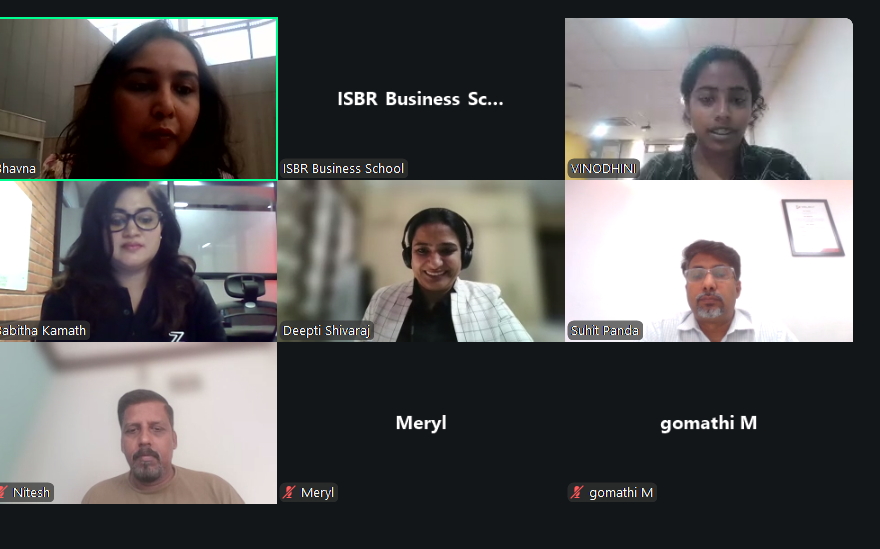
ISBR Business School successfully hosted its Round Table Conference, bringing together industry leaders from talent acquisition, HR, learning and development (L&D), entrepreneurship, and corporate training. The conference created a collaborative platform where academia and industry exchanged insights on building structured internship programs that align with real business needs.
The central theme—“Internship Expectations vs Reality: Bridging the Gap”—focused on transforming internships into high-impact learning experiences that benefit both students and organizations.
Why Internship Expectations vs Reality Needs Attention
Today, many student internship experiences fall short due to a disconnect between what students expect and what organizations deliver. While students seek hands-on learning and mentorship, companies often prioritize immediate productivity.
This gap highlights the urgent need for:
- Clear learning objectives
- Real-world business exposure
- Strong mentorship frameworks
- Measurable outcomes
Bridging this divide requires intentional industry-academia collaboration and well-designed internship structures.
Distinguished Industry Experts Driving the Dialogue
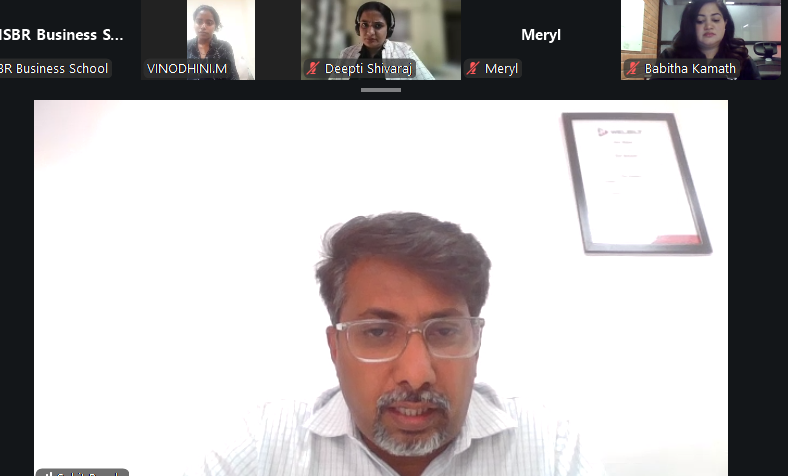
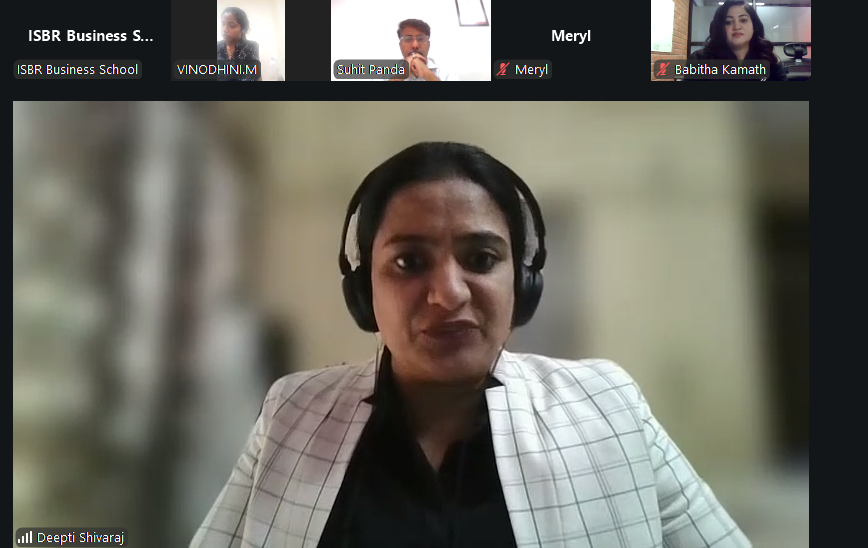
The round table featured experienced professionals who brought diverse perspectives on structured internship programs:
- Nitesh Kumar – Talent Acquisition, Adobe
- Babitha Kamath – HR Lead, Zeitgeist Retail Pvt. Ltd.
- Suhit Panda – HR Business Partner, Welbilt Inc.
- Meryl Serrao – Learning & Development Manager, Flipkart
- Deepti Shivaraj – Entrepreneur & Corporate Trainer
Their combined expertise enriched the discussion on aligning internships with evolving industry expectations.
Key Objectives of Structured Internship Programs
The conference focused on redefining internship expectations vs reality through the following objectives:
1. Understanding Industry Expectations
Organizations expect interns to demonstrate adaptability, ownership, and problem-solving skills.
2. Addressing Challenges in Internship Structures
Many internships lack clarity, resulting in limited learning outcomes.
3. Designing High-Impact Internship Programs
Experts emphasized building structured internship programs with defined milestones.
4. Strengthening Industry-Academia Collaboration
Collaboration ensures internships remain relevant and future-ready.
5. Promoting Professional Growth
Internships should nurture responsibility, confidence, and long-term career readiness.
Session Highlights: Insights from Industry Leaders
Talent Acquisition & Future Skills
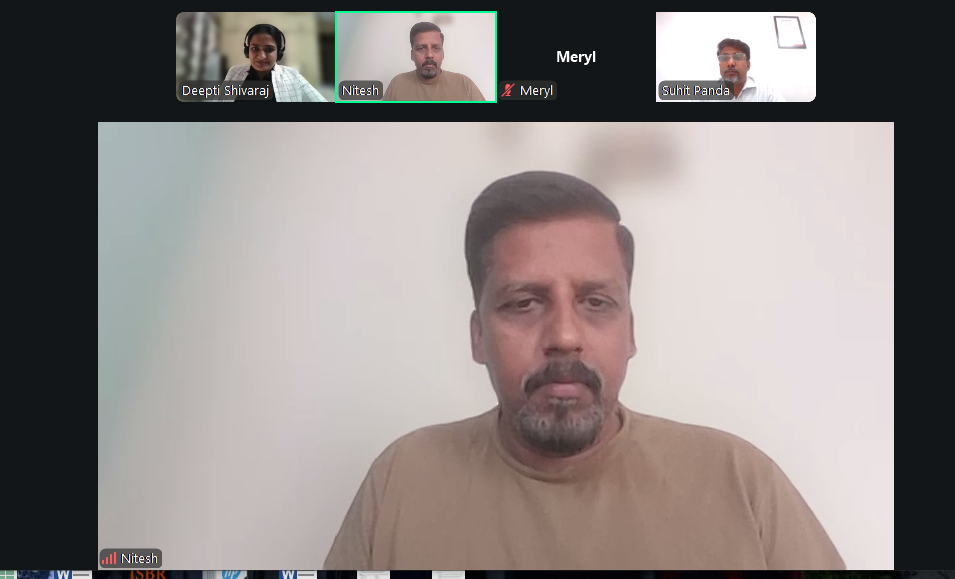
Nitesh Kumar highlighted the importance of hiring niche talent in AI, machine learning, and advanced technologies. He stressed building long-term talent pipelines through meaningful internships.
People-Centric HR Practices
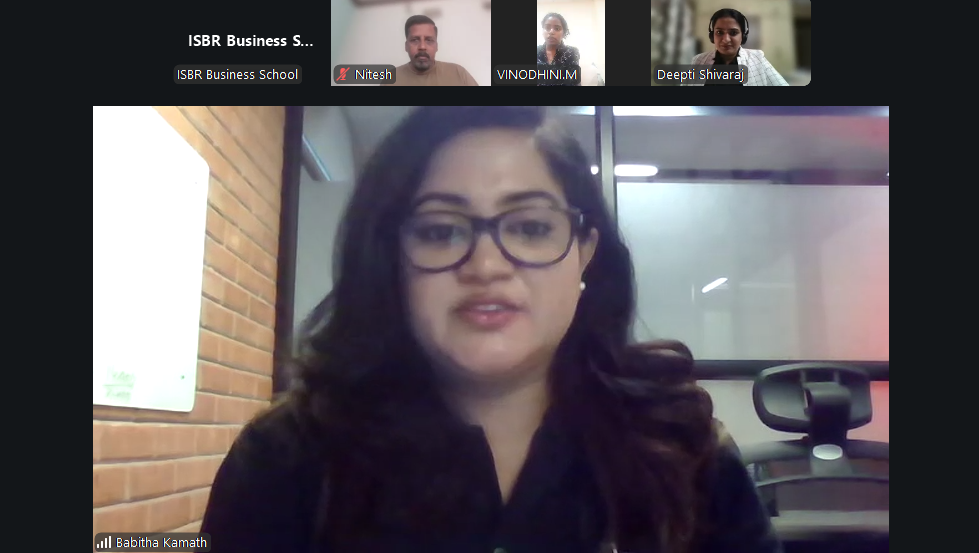
Babitha Kamath emphasized aligning HR strategies with business goals while creating inclusive workplaces that support intern growth.
End-to-End HR Expertise
Suhit Panda discussed the importance of structured HR processes in ensuring efficient and impactful internship experiences.
Learning & Development Innovation
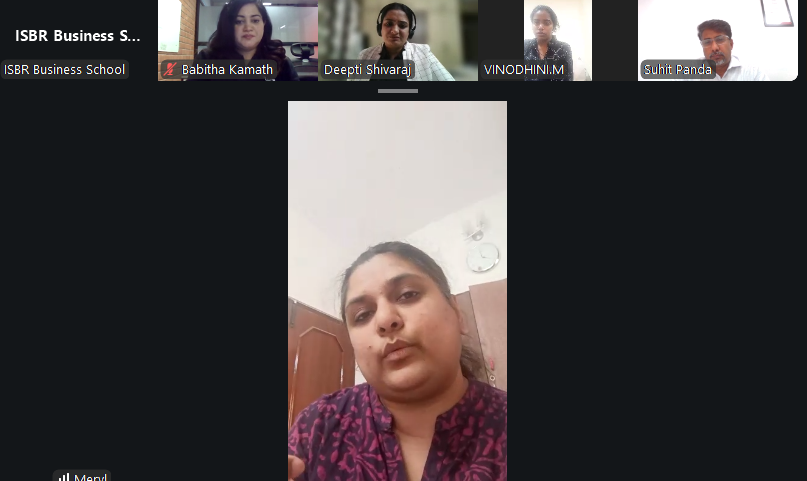
Meryl Serrao shared insights on designing training-driven internships that focus on capability building and career progression.
Entrepreneurial and Training Perspective
Deepti Shivaraj highlighted the role of soft skills, adaptability, and purpose-driven learning in shaping future professionals.
Interactive Discussion: Industry-Academia Collaboration in Action
The round table concluded with an engaging and insightful discussion focused on enhancing the student internship experience through stronger industry-academia collaboration. Industry experts shared practical perspectives on the essential skills required for future professionals, emphasizing adaptability, problem-solving, and communication.
They also highlighted the importance of real-time feedback in shaping intern performance and underscored the need to design internships that deliver tangible business impact. A key takeaway from the session was the shift in mindset—internships must evolve into value-creating experiences rather than remain short-term academic requirements. Experts stressed that structured internship programs should include clearly defined learning outcomes, strong mentorship, exposure to real business challenges, measurable performance metrics, and alignment between academic goals and organizational needs.
The discussion also shed light on how such well-designed internships help students understand industry expectations, develop professionalism and accountability, recognize the long-term career value of internships, and build meaningful career pathways. Ultimately, a thoughtfully structured internship significantly enhances employability and prepares students to thrive in dynamic and competitive work environments.
About ISBR Business School: ISBR Business School, located in Bangalore, India, is a premier institution dedicated to providing world-class education in business and management. Accredited by the NBA and recognized by the Association of Indian Universities and the Ministry of HRD, Government of India, ISBR has consistently been ranked as a platinum institute by AICTE-CII. With a diverse student body, a strong emphasis on industry collaboration, and a curriculum designed to foster innovation and leadership, ISBR Business School is committed to shaping the business leaders of tomorrow. The school’s robust placement record and partnerships with top global companies underscore its commitment to excellence and career readiness for its students