
Experiential Learning in Management Education, Faculty Development in Higher Education, and Management Education Innovation are becoming increasingly important in today’s academic landscape. As business schools adapt to evolving learner expectations, educators must continuously upgrade their teaching approaches, research capabilities, and leadership perspectives.
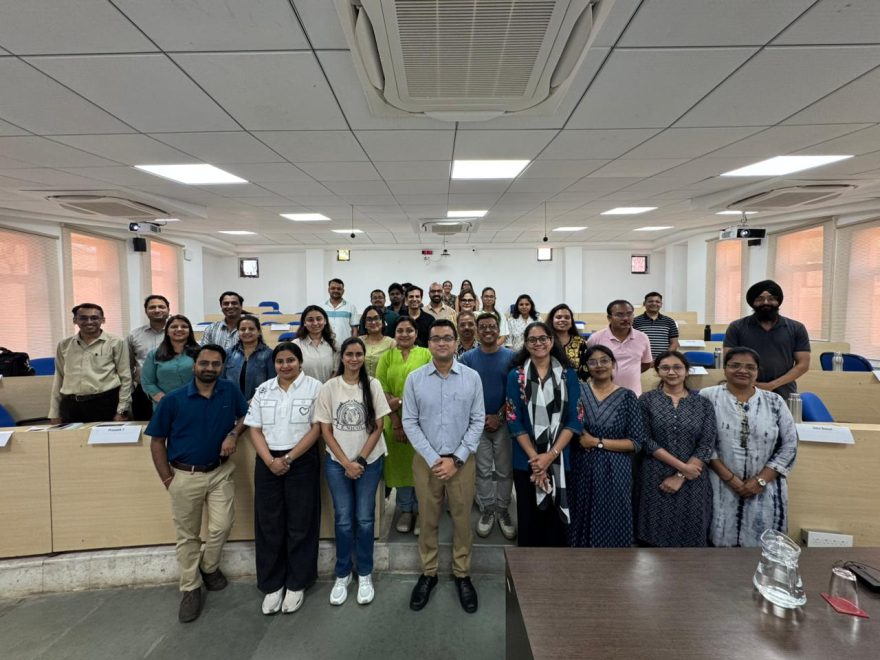
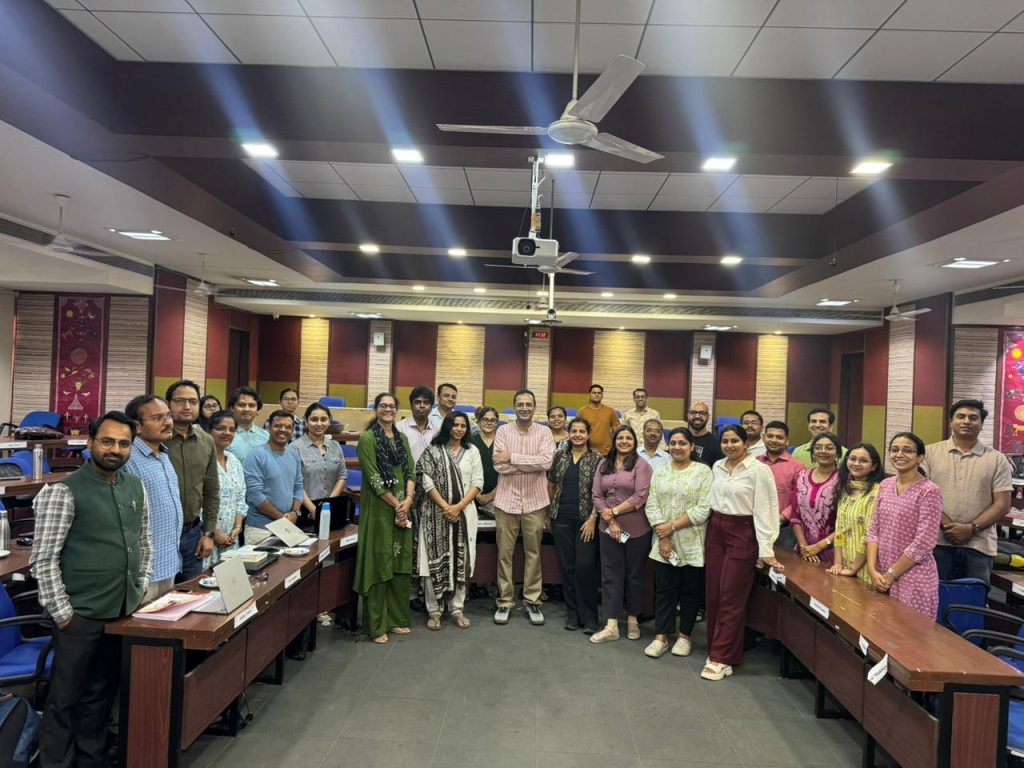
Prof. Dona Jude, Assistant Professor, recently participated in the Faculty Development Program (FDP) at the Indian Institute of Management Indore (IIM Indore). The program provided an enriching platform to explore contemporary developments in management education, innovative teaching methodologies, leadership perspectives, and experiential learning practices. More than an academic engagement, the FDP emerged as a transformative journey that combined professional development, intellectual exchange, cultural immersion, and personal growth, equipping participants with valuable insights to enhance teaching excellence and student learning outcomes.
Why Faculty Development Programs Matter in Modern Management Education
The landscape of management education is changing rapidly. Advances in technology, evolving industry expectations, and the learning preferences of Gen Z students demand innovative teaching approaches.
Faculty Development Programs play a critical role in helping educators:
- Stay updated with emerging educational practices
- Strengthen research orientation and academic excellence
- Enhance classroom engagement and student participation
- Adopt learner-centric teaching methodologies
- Align teaching practices with Outcome-Based Education (OBE) frameworks
The FDP at IIM Indore addressed each of these areas through thoughtfully designed sessions led by experienced academicians and industry experts.
Experiential Learning in Management Education: The Future of Teaching
Moving Beyond Traditional Classrooms
One of the most valuable insights from the program was the growing importance of Experiential Learning in Management Education. Today’s students learn best when they actively participate in the learning process. The FDP emphasized innovative teaching practices such as:
- Simulation-based learning
- Case-study pedagogy
- Reflective learning exercises
- Interactive classroom discussions
- Real-world problem-solving activities
These approaches encourage students to connect theoretical concepts with practical applications, making learning more meaningful and impactful. The discussions highlighted the need for faculty members to transition from being knowledge providers to learning facilitators. By creating engaging and participative classroom environments, educators can foster critical thinking, collaboration, and innovation among students.
Leadership, Ethics, and Self-Awareness in Management Education
Building Responsible Future Leaders
A standout component of the Faculty Development Program at IIM Indore was the emphasis on philosophy, ethics, and leadership. The sessions explored how effective management education extends beyond strategy and performance metrics. Participants examined the importance of:
- Ethical decision-making
- Self-awareness and reflection
- Responsible leadership
- Human-centered management practices
- Value-driven education
These discussions reinforced the idea that successful leaders must balance organizational goals with social responsibility and ethical conduct.
Faculty Development in Higher Education Through Collaboration
Learning Beyond Formal Sessions
While the academic sessions were highly insightful, some of the most meaningful learning occurred during informal interactions with fellow participants.
Faculty members from diverse institutions shared experiences related to:
- Teaching methodologies
- Curriculum design
- Research collaborations
- Institutional best practices
- Student engagement strategies
These conversations fostered a strong sense of academic community and opened opportunities for future collaborations.
Management Education Innovation: A Continuous Journey
The Faculty Development Program at IIM Indore was far more than an academic event. It was a holistic learning journey that combined intellectual growth, professional networking, cultural exploration, and personal reflection. From innovative teaching methodologies and experiential learning practices to leadership insights and collaborative exchanges, the program offered valuable perspectives that will continue to shape classroom engagement and academic excellence. Most importantly, it reaffirmed a timeless truth: great educators never stop learning.
As management education continues to evolve, initiatives such as the Faculty Development Program at IIM Indore remain essential in empowering educators to create impactful learning experiences, foster innovation, and prepare future leaders for an increasingly complex world.
About ISBR Business School: ISBR Business School, located in Bangalore, India, is a premier institution dedicated to providing world-class education in business and management. Accredited by the NBA and recognized by the Association of Indian Universities and the Ministry of HRD, Government of India, ISBR has consistently been ranked as a platinum institute by AICTE-CII. With a diverse student body, a strong emphasis on industry collaboration, and a curriculum designed to foster innovation and leadership, ISBR Business School is committed to shaping the business leaders of tomorrow. The school’s robust placement record and partnerships with top global companies underscore its commitment to excellence and career readiness for its students