
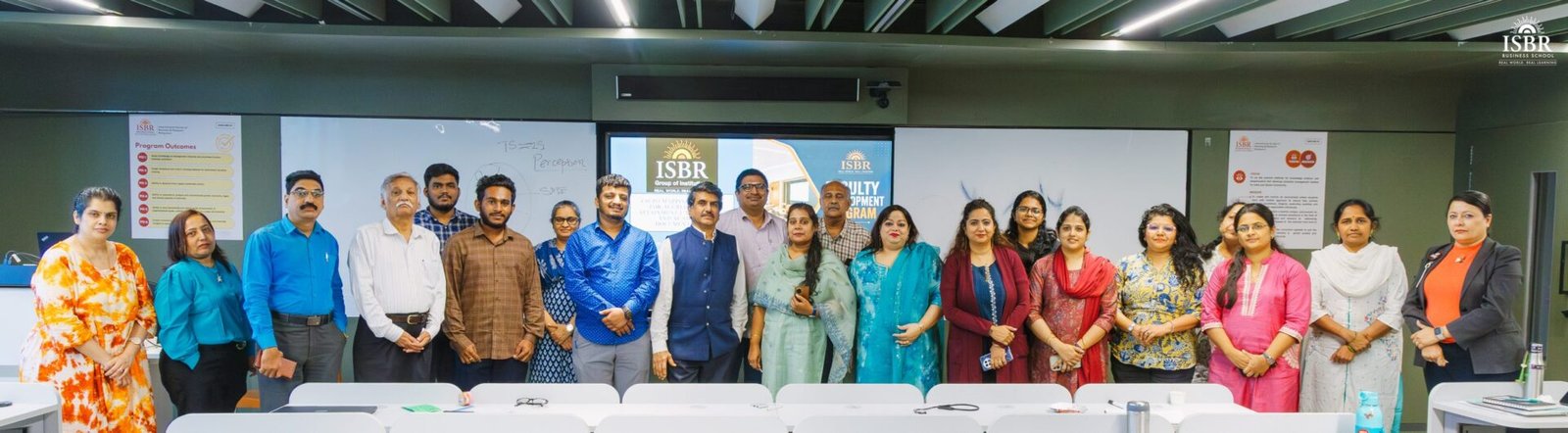
Faculty Development Programme 2026 is a strategic initiative designed to strengthen Outcome-Based Education (OBE), enhance innovative teaching methods, promote higher education faculty training, and foster research excellence. As higher education continues to evolve in response to technological advancements and changing learner expectations, faculty members play a pivotal role in shaping academic quality.
The Faculty Development Programme (FDP) conducted in June 2026 reflected the institution’s unwavering commitment to continuous professional development, learner-centric education, and academic excellence. Through expert-led sessions, collaborative learning experiences, and practical pedagogical strategies, the programme empowered educators with the knowledge and skills required to deliver impactful learning experiences.
Faculty Development Programmes in Higher Education
Faculty Development Programmes are essential for institutions committed to academic excellence and quality assurance. They enable educators to stay current with modern teaching methodologies, research practices, accreditation standards, and digital learning innovations.
A well-designed FDP helps faculty members:
- Improve classroom engagement
- Strengthen research capabilities
- Adopt learner-centric pedagogies
- Enhance Outcome-Based Education implementation
- Foster continuous professional growth
Faculty Development Programme 2026: Programme Overview
The June 2026 Faculty Development Programme was conceptualized as a comprehensive academic initiative focused on strengthening teaching effectiveness, research competency, and innovative pedagogy.
The programme successfully brought together experienced academicians, educational leaders, and faculty members to explore emerging trends in higher education while reinforcing institutional goals related to academic quality enhancement.
The programme featured a diverse range of sessions addressing contemporary challenges and opportunities in higher education.
| Date | Theme |
| 03 June 2026 | Relevance of Faculty Development Programme |
| 03 June 2026 | Simulations for Classroom Engagement |
| 03 June 2026 | Research Communication Strategies |
| 04 June 2026 | Case Method Teaching |
| 08 June 2026 | Immersive Learning & Micro Learning |
| 08 June 2026 | Faculty Team Presentations |
| 08 June 2026 | HR Orientation |
| 10 June 2026 | Outcome-Based Education (CO-PO-PEO Alignment) |
| 10 June 2026 | Teaching with Emotional Intelligence |
| 10 June 2026 | Programme Recap and Faculty Feedback |
Turning Ideas into Impactful Teaching Practices
1. Strengthening Innovative Teaching Methods
Faculty members explored experiential learning, classroom simulations, and active learning strategies that increase student participation and improve learning outcomes. These approaches encourage critical thinking, collaborative learning, and practical application of theoretical concepts.
2. Advancing Outcome-Based Education (OBE)
A significant component of the programme focused on Outcome-Based Education, enabling faculty members to effectively align:
- Course Outcomes (COs)
- Programme Outcomes (POs)
- Programme Educational Objectives (PEOs)
This alignment strengthens curriculum quality while supporting accreditation and institutional effectiveness.
3. Enhancing Research Excellence
Sessions on research communication and methodology equipped faculty with practical strategies for:
- Presenting research findings
- Improving research design
- Enhancing scholarly publications
- Strengthening academic inquiry
Research capability remains one of the strongest pillars of academic excellence in higher education.
4. Integrating Immersive and Micro Learning
Faculty members gained hands-on exposure to immersive learning experiences and micro-learning techniques that support modern student engagement. These innovative teaching methods improve retention, flexibility, and personalized learning experiences.
5. Teaching with Emotional Intelligence
Another important learning outcome involved integrating emotional intelligence into classroom teaching and student mentoring.
Faculty explored strategies to:
- Build stronger student relationships
- Improve classroom communication
- Encourage empathy
- Support holistic student development


Creating Lasting Impact on Teaching and Student Success
The Faculty Development Programme directly contributes to long-term institutional quality enhancement by promoting:
- Learner-centric teaching practices
- Outcome-Based Education implementation
- Innovative classroom pedagogy
- Faculty research capability
- Accreditation readiness
- Continuous professional development
Collectively, these outcomes improve both faculty performance and student learning experiences.

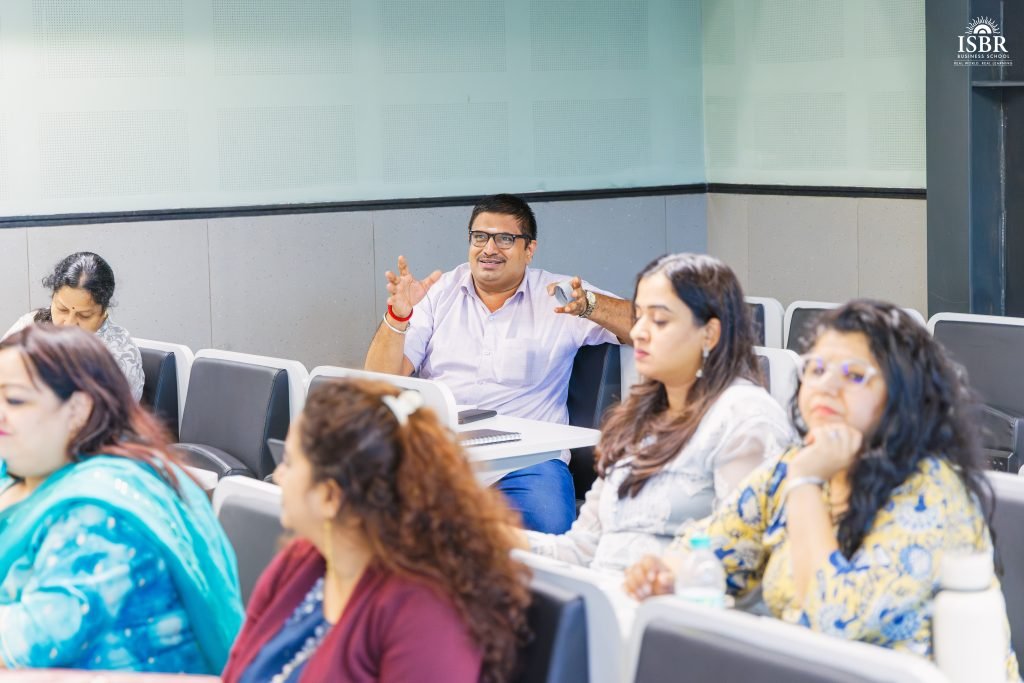
Building a Culture of Continuous Professional Development
Faculty excellence is the foundation of institutional excellence.
Continuous professional development enables educators to adapt to emerging educational trends, integrate technology effectively, enhance research productivity, and create meaningful learning experiences. Faculty Development Programmes therefore serve not only as training initiatives but also as strategic investments in academic quality, innovation, and institutional growth.
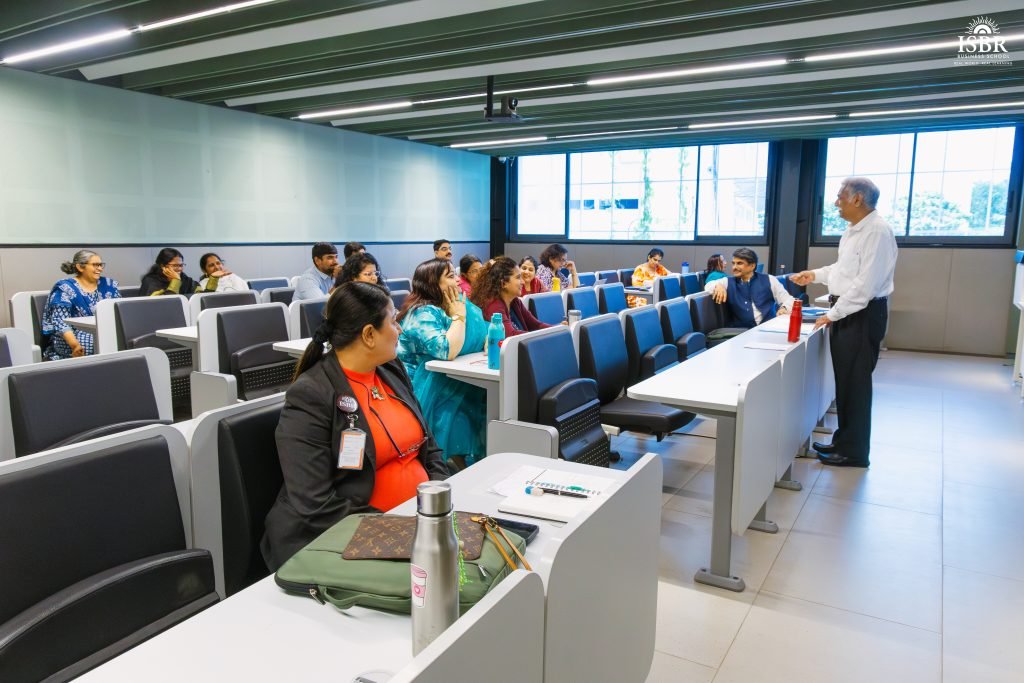
About ISBR Business School: ISBR Business School, located in Bangalore, India, is a premier institution dedicated to providing world-class education in business and management. Accredited by the NBA and recognized by the Association of Indian Universities and the Ministry of HRD, Government of India, ISBR has consistently been ranked as a platinum institute by AICTE-CII. With a diverse student body, a strong emphasis on industry collaboration, and a curriculum designed to foster innovation and leadership, ISBR Business School is committed to shaping the business leaders of tomorrow. The school’s robust placement record and partnerships with top global companies underscore its commitment to excellence and career readiness for its students